Vital Services Delivered by Arborists: Preserving Your Trees and Landscape
Arborists serve a significant role in maintaining the health of trees and enhancing landscapes. Their knowledge covers a range of fundamental services, from planting and diagnosing ailments to effective pruning and pest management. These specialists not only enhance the visual appeal of properties but also contribute to broader environmental goals. Understanding the specific techniques and practices employed by arborists reveals how they protect our green spaces and guarantee the sustainability of tree populations. What obstacles do these professionals encounter in their daily work?
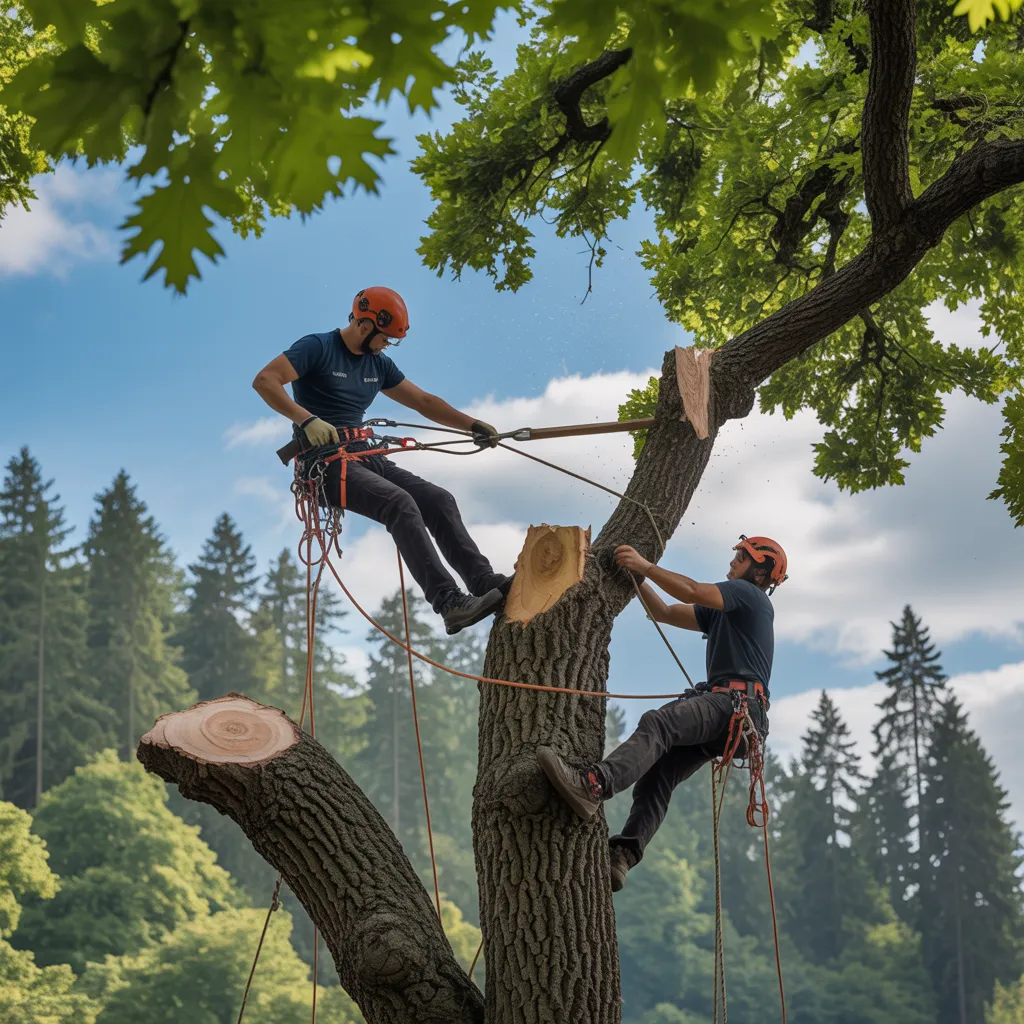
The Essential Role of Arborists in Tree Care
Arborists play an essential role in the preservation and maintenance of trees, promoting their strength and long life. These certified specialists have an extensive knowledge of tree biology and ecology, enabling them to evaluate tree health with precision. They identify diseases, pests, and environmental stresses that may threaten tree health. Arborists additionally offer valuable services such as planting trees, identifying issues, and suggesting treatments customized for particular species and settings.
Additionally, they inform property owners about correct tree maintenance methods and the value of preserving tree health in the surrounding environment. Arborists frequently work with municipal authorities and community groups to promote urban forestry initiatives, increasing environmental diversity and bettering air conditions. Their expertise not only contributes to the aesthetics of residential and commercial properties but also serves a vital function in environmental conservation. All things considered, arborists are crucial guardians of trees, promoting a sustainable relationship between nature and urban development.
Methods for Successful Tree Pruning
Successful tree pruning requires understanding various methods and knowing the ideal timing for each technique. Different pruning methods serve distinct purposes, from enhancing growth to maintaining tree health. Timing is essential, as selecting the correct season can profoundly affect the tree's reaction to pruning activities.
Varieties Of Pruning Techniques
Pruning trees requires a well-planned strategy to guarantee healthy growth and aesthetic appeal. Several pruning techniques fulfill different objectives, each designed for particular circumstances. Thinning consists of carefully eliminating branches to improve light exposure and airflow, promoting overall tree health. Crown reduction, alternatively, decreases the height and expanse of a tree while preserving its organic form, often used to mitigate risk from heavy winds. Deadheading centers on cutting away withered flowers or deceased branches, stimulating fresh growth and extending flowering seasons. Ultimately, rejuvenation pruning is carried out on overgrown shrubs, encouraging fresh growth by cutting back old wood. Comprehending these techniques enables arborists to skillfully oversee tree wellness and ensure an aesthetically pleasing environment.
Ideal Timing For Effective Pruning
What is the optimal time to prune trees for maximum health and growth? Arborists recommend pruning during the late winter or early spring, immediately prior to the onset of new growth. This timing minimizes stress on the tree and reduces the risk of disease. It allows for better healing as the tree enters its active growth phase. Particular species may additionally benefit from summer pruning to regulate growth or clear away dead wood. Nevertheless, pruning in fall is typically not recommended, as it may leave trees vulnerable to winter damage. Grasping the particular needs of every tree species is vital for the best possible results. By sticking to these principles, arborists help ensure trees remain robust and flourishing throughout their entire lifecycle.
How Arborists Manage Tree Diseases and Pests
Professional arborists actively monitor and control tree-related diseases and pest issues to preserve the vitality and long-term health of both urban and rural trees. Their process starts with performing thorough inspections to identify initial indicators of infestations and infections. Drawing on their specialized knowledge, arborists determine the nature and scope of the concern, which helps in determining the best available treatment solutions.
Implementing comprehensive IPM methods, they merge cultural, biological, and chemical methods to limit the environmental impact. This comprehensive method might incorporate deploying helpful insects, employing organic solutions, or using targeted pesticides when necessary.
Additionally, arborists educate homeowners on preventative steps, such as proper watering and pruning techniques, to improve the resilience of trees. Consistent care and oversight confirm that emerging problems are dealt with swiftly, ultimately preserving the ornamental and ecological significance of trees in both urban and rural settings.
Signs You Need Emergency Tree Removal?
Tree health may degrade swiftly, resulting in circumstances that require prompt intervention. Indicators that suggest emergency tree removal is required include apparent splits or fissures in the trunk, which weaken the overall structural integrity. Additionally, significant branches or the whole tree tilting at an abnormal angle can signal instability, especially after severe weather. Deteriorating or lifeless branches, frequently marked by the presence of fungal growth, imply that the tree cannot be saved.
Another important indicator is the existence of extensive root damage, which can further compromise the tree's stability. If a tree is positioned near structures or power lines, such warning signs can create immediate dangers to safety. Arborists recommend immediate evaluation and intervention when these signs are observed, as neglecting them can lead to hazardous situations for both property and individuals nearby. Regular inspections can assist in detecting these problems before they develop into critical situations.
Expert Tips for Planting New Trees
When introducing new trees choosing the right species is vital to secure long-term health and growth. Moreover, proper soil conditions serve a critical function in a tree's development. Understanding these factors can considerably increase the results of any planting project.
Finding The Ideal Species
Choosing the most suitable species of tree is important for ensuring a thriving landscape, as different varieties offer unique advantages and drawbacks. Factors such as soil type, climate, and available space play a vital role in making this choice. To illustrate, indigenous varieties frequently demand less care and are better adapted to local conditions, encouraging ecological balance. Moreover, considerations like mature size, growth rate, and disease resistance can influence the selection. Homeowners should also think about the aesthetic appeal and seasonal interest of the plantings, verifying they suit the current outdoor setting. Speaking with a tree specialist can offer expert guidance, assisting in identifying varieties that match both environmental conditions and personal preferences, successfully establishing a resilient and balanced outdoor environment.
Maintaining Ideal Soil Conditions
Readying the soil is vital for the effective growth of new trees. Tree care specialists highlight the importance of evaluating soil find now quality before planting. This requires testing pH levels and ensuring proper drainage to establish an ideal environment for root growth. Amending the soil with organic matter can boost nutrient availability and improve structure. Additionally, the soil should be loose enough to allow roots to expand without resistance, yet sufficiently compact to ensure anchorage.
Certified arborists advise excavating a hole a minimum of two times the width of the root ball to promote lateral root expansion. Applying mulch around the tree's base helps retain moisture and regulate temperature, further supporting healthy growth. Proper soil conditions lay the groundwork for thriving trees and vibrant landscapes.
The Critical Role of Routine Tree Maintenance and Inspections
Consistent tree maintenance and inspections are vital for securing the health and safety of both trees and surrounding properties. Tree specialists play a crucial role in detecting potential problems, including disease, pest invasions, and structural vulnerabilities. Routine evaluations enable prompt interventions, which can avert expensive damage and preserve the lifespan of trees.
Additionally, regular upkeep, including cutting and soil enrichment, promotes healthy growth and enhances the aesthetic appeal of landscapes. Evaluations aid in recognizing trees that might threaten adjacent structures or passersby, permitting precautionary efforts to address and eliminate threats.
Furthermore, the upkeep of trees delivers environmental advantages, such as better air quality and natural wildlife habitats. Through consistent maintenance and routine inspections, landowners can secure their investments and cultivate a healthy ecosystem. In the end, the experience of professional arborists assures that trees grow and prosper rather than simply endure, improving both the aesthetic appeal and safety of the surroundings.
Frequently Asked Questions
What Certifications Should I Seek When Hiring an Arborist?
When hiring an arborist, one should look for credentials such as state-specific licenses, ISA (International Society of Arboriculture), and TCIA (Tree Care Industry Association) certifications, ensuring their expertise in tree care and management.
How Frequently Should I Plan Tree Inspections?
Tree inspections are recommended annually, or twice a year for high-risk species or locations. Consistent assessments help uncover potential concerns early, ensuring trees remain healthy and safe while enhancing overall landscape resilience and visual appeal.
Do Arborists Provide Help With Landscaping Design?
Yes, tree experts can assist with landscape planning by examining tree vitality, recommending appropriate tree varieties, and ensuring proper arrangement. Their professional knowledge enhances aesthetic appeal while promoting ecosystem stability, culminating in a environmentally sound and visually stunning garden space.
What Is the Best Time for Tree Planting?
The ideal period for tree planting falls within early spring or fall. Such seasons deliver favorable soil temperatures and moisture levels, supporting robust root establishment and securing enhanced growth throughout the upcoming warmer months.
How Do Weather Conditions Affect Tree Care Services?
Meteorological factors heavily impact tree health management. Precipitation, extreme temperatures, and strong winds can impact appointment timing, insect activity, and ground health, calling for adaptations in procedures and planning to promote excellent tree health and flourishing.